Blog Archives
Comments Off The Week in Pixels #1
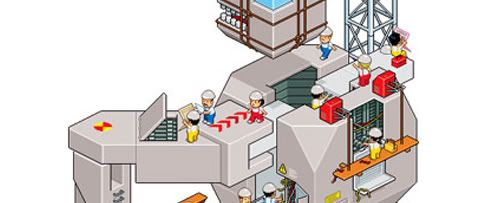
Saturday comes cloudy, Wii comes colorful. Started playing Okami for Nintendo’s elder money printer, having failed to properly finish the game on its original PS2 incarnation. Still awesome. And with that said, here is an experiment – links to interesting things I’ve been finding along the week. Maybe I can pull this off on a weekly basis; we’ll see. And here we go:
Comments Off Batman: Arkham Asylum – Crítica

No Cavaleiro Mais Negro
Estamos em arredores de 1994, penso eu, e um amigo meu decide que preciso de ler Arkham Asylum: A Serious House on Serious Earth. Durante muito tempo, comics norte-americanos eram filtrados pelo Brasil antes de aterrarem em Portugal e o resultado, apesar de carinhosamente apelidado de “gibi de bolso”, era uma redução do tamanho original para 50% o que causava problemas óbvios. Mas esta cópia de Arkham Asylum nas minhas mãos mantinha as proporções intactas, cada página completa e sem diálogos cortados. Mais importante, a história e os temas apresentavam um Batman para além das minhas expectativas. Claro que aos catorze anos tudo nos parece espectacular mas Arkham Asylum era, e ainda é, muito bom. A culpa foi de Grant Morrison e Dave McKean, nomes que tenho seguido de perto sempre que posso – McKean em particular, cujo trabalho visual nos comics é dos poucos a assentar no binómio representação/deconstrução de modo natural.
Quando se trata de comics, poucas são as minhas personagens de eleição. Barry Allen, o segundo Flash, é uma – o seu sacrifício durante a saga Crisis on Infinite Earths, e a revisão da origem da personagem por Robert Fleming e Carmine Infantino em Secret Origins Annual #2, contribuíram para isso. Há várias outras mas Batman está no topo da lista. De todas as razões possíveis escolho uma: porque é uma personagem humana, em todos os sentidos. Não só não pertence à galeria de personagens com poderes deíficos (e confesso que me irrita profundamente a vinculação gradual da personagem ao termo “super-herói” por essa mesma razão) mas é também uma das que mais viu a sua humanidade explorada. A predisposição psicológica para a luta constante contra o crime, a necessidade dessa mesma luta, o código moral, o próprio fato enquanto elemento utilitário (que permite ocultar a identidade e enveredar por um jogo de sombras) e sobrenatural (o morcego enquanto símbolo da morte, do caçador nocturno, enquanto “alma” da personagem) têm uma mitologia muito forte.
Quando chegou a notícia de que um estúdio relativamente desconhecido ia tentar dar nova vida ao Cavaleiro das Trevas, não sabia bem o que pensar. Tendo acompanhado quase todos os videojogos criados em torno da personagem, havia aqui forte possibilidade de isto correr espectacularmente mal (penso que o termo técnico é EPIC FAIL). Não porque o estúdio só tinha um jogo sobre a sua asa criativa mas porque Batman é um alvo perfeito para produções à procura de financiamento. É algo normal em jogos do género – Marvel: Ultimate Alliance é um excelente exemplo disto pela negativa. Não há uma sensaçao de presença ou uma diversidade maior no contexto restricto – quer em termos narrativos ou mecânicos, a diferença entre um Wolverine e um Thor é virtualmente nula, ao ponto de que poderíamos estar a jogar uma versão melhorada de um Gauntlet. O problema é que quando se pega numa licença deste calibre, muitos são os estúdios que afunilam personagens para dentro de um conceito previamente estabelecido em vez de construírem o jogo em torno da personagem.
Mas Batman: Arkham Asylum é lançado, a Rocksteady faz um bom trabalho e muitos foram os que se renderam ao charme do jogo. Sem surpresas, também me rendi. Mas apesar de tudo o que tem sido dito sobre o mesmo, não posso concordar que seja um jogo sobre Batman. Ou sequer sobre Joker.
É sobre o asilo.
2 Batman: Arkham Asylum – Review
In Darkest Knight
We’re somewhere around 1994, I think, and a friend of mine decides that I absolutely must read Arkham Asylum: A Serious House on Serious Earth. For a long time, north-american comics were filtered through Brazil before landing in Portugal and the end result, in spite of being fondly called ‘pocket comics’, was reduced in about 50% of its original size which caused obvious problems. But this copy of Arkham Asylum on my hands kept its proportions intact, each page complete and no cut off dialogues. More importantly, its story and themes introduced me to a Batman beyond my expectations. Of course when you’re fourteen everything looks awesome but Arkham Asylum was, and still is, very good. We need to blame Grant Morrison and Dave McKean for that, names I’ve tried to follow as closely as possible – especially McKean, whose visual art in comics remains one of the few to work in the representation/deconstruction field in a natural way.
When it comes to comics, there are few characters I can call personal favorites. Barry Allen, the second Flash, is one – his sacrifice during the Crisis on Infinite Earths saga, and his revised origin story by Robert Fleming and Carmine Infantino in Secret Origins Annual #2 contributed to that. There are several others but Batman is highest on the list. Of all possible reasons for this, I choose one: because he’s a human character, in every possible way. Not only does he not belong in the pantheon of characters with godlike powers (and I have to confess my profound irritation towards the character’s gradual association with the term “superhero” for that very reason) but he’s also one of those characters whose humanity has been incredibly explored. The psychological predisposition towards a constant struggle against crime, the need for that very same struggle, the moral code, the very suit itself both as an utilitarian (that allows him to conceal his identity and operate in the shadows) and supernatural (the bat as a symbol of death, as a night hunter, as the character’s “soul”) motif have all developed a very strong mythology.
When news came that a relatively unknown studio was to give the Dark Knight a new lease on life, I wasn’t sure what to think. Having played nearly all games created about the character, there was a strong chance this might’ve ended up spectacularly wrong (I believe the technical term is EPIC FAIL). Not because the studio only had one game under their belt but because Batman is a perfect target for productions looking for financing. It’s par for the course in the genre – Marvel: Ultimate Alliance is an excellent example of this for the wrong reasons. There is never a feeling of presence or a larger diversity in its restricted context – whether narratively or mechanically, the difference between a Wolverine and a Thor is virtually none, to the point where we could just have been playing a spruced up version of Gauntlet. The problem is that when you get your mitts on this kind of license, many studios funnel characters into game concepts that have been previously established instead of building a game around a character.
But then Batman: Arkham Asylum comes out, Rocksteady gets it right and many surrendered to the game’s charm. Unsurprisingly, me too. But in spite of all that’s been said about it, I can’t agree that it is a game about Batman. Or even about Joker.
It’s about the asylum.
Comments Off Smash! #6
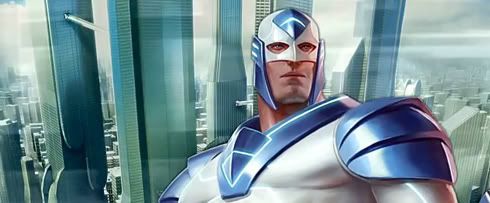
O meu nome é Diogo Ribeiro. E tudo o que eu queria era ser o homem mais rápido do mundo.
Champions Online é um recreio ideal para quem sempre vibrou com estas fantasias, ou com super-heróis em geral. Os momentos iniciais parecem sérios, com uma Millenium City a meio de uma invasão de insectos espaciais que serve de tutorial mas o resto do jogo equilibra o respeito pelos comics e a paródia bem conseguida aos mesmos. Se Grond – o monstro radioactivo de quatro braços que vagueia pelo deserto – lembra um Hulk de poucas falas em princípio de carreira, Foxbat é o oposto – um vilão narcisista que viaja com grupos de fanboys, holofotes flutuantes e robôs com máquinas de filmar nas cabeças. Por cada pedaço de história que ajuda a criar um universo sóbrio e consistente, há grupos terroristas baseados em G. I. Joe e inimigos com nomes tão tresloucados como Senhor Zombie ou Super Soldado Enguia Eléctrica.
A Cryptic Studios parece perceber porque razão os super-heróis são únicos e divertidos, e não poupou esforços para que os jogadores se sentissem especiais. Em menos de uma hora trabalhamos, lado a lado, com os principais heróis do jogo, salvamos uma cidade e somos homenageados pelos seus habitantes, que nos agradecem pela nossa prestação quando se cruzam connosco nas suas ruas ou noutras áreas. E mal saímos do tutorial viajamos logo para novas zonas em busca de mais missões, mais inimigos, mais qualquer coisa para fazer.
De facto, “qualquer coisa para fazer” é a ideia principal por detrás do design de Champions Online. Para o melhor e para o pior.
Podem ler o resto da minha crítica a Champions Online no número 6 da revista Smash, que já se encontra nas bancas (eu é que me atrasei no aviso). Nesta edição, também falo sobre como a Rocksteady Studios soube homenagear o Cavaleiro das Trevas em Batman: Arkham Asylum na minha coluna de opinião Visão Periférica. Além disso houve tempo – não sei bem como – para falar de Resident Evil 5, Read Faction: Guerrilla e Mini Ninjas na secção de Outros Testes.
1 Para Além do Espelho
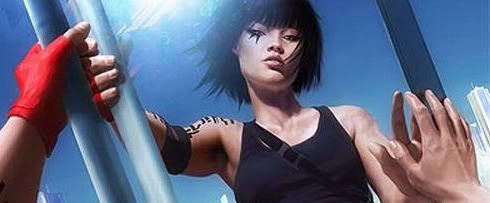
September ’09
Isn’t That Spatial? Every video game has certain benefits and constraints in the way it represents space. Interaction fiction, arcade titles, 2D side-scrollers, isometric RPGs, and first person shooters all have advantages and disadvantages to how they deal with space–some technical in nature, some design-based. This month’s topic invites you to explore the ways games have represented the spatial nature of their storyworlds and what this does for the audience experience. Is it possible to ignore the constancy of spatial relationships in a graphical game? What would such a game look like? Are there ways of representing spatial relationships that we haven’t explored? Do you have ideas for games that could intentionally twist the player’s perception of space, or do you want to write about a game that already has?
8 Through the Looking Glass
September ’09
Isn’t That Spatial? Every video game has certain benefits and constraints in the way it represents space. Interaction fiction, arcade titles, 2D side-scrollers, isometric RPGs, and first person shooters all have advantages and disadvantages to how they deal with space–some technical in nature, some design-based. This month’s topic invites you to explore the ways games have represented the spatial nature of their storyworlds and what this does for the audience experience. Is it possible to ignore the constancy of spatial relationships in a graphical game? What would such a game look like? Are there ways of representing spatial relationships that we haven’t explored? Do you have ideas for games that could intentionally twist the player’s perception of space, or do you want to write about a game that already has?
I had a good intro lined up but Lose/Lose ate it. In lieu of that, I’ll just say that my plan is to follow up on Corvus’ topic for this month’s Blogs of the Round Table and discuss how the choice of perspective has helped certain games’ themes or genres by framing, limiting or exploring spatial awareness and their relationships with players in several ways.