Blog Archives
Comments Off The Week in Pixels #26
And so it ends. One year later, Smash! magazine ends its print run. What remains are memories of hard work and dedication to the project, of time well spent with the editorial team, of the learning period among some of Portugal’s best journalists in the field. Now halfway between the gutter and the stars, I’ll be resuming some activity on this blog and in videogames in general. Doors close, windows open. Here we go.
- According to this report, in 2009 north-american gamers spent 23.5 billion dollars in videogames while british gamers spent 3.38 billions. Apparently, the PC held between 16 to 20% of the total market revenue while consoles gripped between 60 to 63%. Two curious things stand out here. First, it’s that the report doesn’t divide console revenue, choosing to isolate one platform (PC) against several platforms at once (the consoles, consisting of PS3, Xbox 360, Wii, Nintendo DS and PSP). If we divide the console total by each plataform, that makes it so each console will have only achieved 10% of total revenue and that the 20% value from the PC – a platform presumably dead since 2001 – is still synonymous with a strong presence. And second… 23.5 billion? In the north-american market only? What piracy, industry gentlemen?
5 Smash #13?

1 A Semana em Pixels #25

Primeiro houve trabalho, e Diogo disse “Que haja descanso”. Depois veio o vírus, e Diogo disse “Que haja format c:”. Finalmente chegaram os Pixels, e houve muito regozijo.
- Através do Huffington Post chega a notícias de que um visitante frequente ao site da CNN, frustrado com as manchetes, lançou o WTFCNN.com. Os leitores podem visitar o site e comparar as manchetes da CNN com as de outros site – tais como a Al Jazeera, a BBC, a CBC, o NPR e o Fark – em tempo real. Muito se tem falado de como os media tradicionais têm sofrido na última década com a expansão da internet, em particular sobre como o jornalismo tradicional não consegue competir com o alcance global do jornalismo online. Por um lado o problema é que o jornalismo na internet ainda é muito parecido com o cowboy mais rápido a disparar do que a sacar, com centenas de canais noticiosos a serem inundados com tudo desde especulação, má informação, notícias oficiosas e – no pior dos casos – mentiras numa corrida louca para serem os primeiros a dar uma notícia, com a informação e a desinformação a tornarem-se perigosamente indistinguíveis. Por outro, é precisamente aqui que a internet está no seu melhor: dar nova vida à discussão e ao activismo. Se a CNN fosse um jornal, quantos poderiam entrar no mesmo mercado e publicar um jornal dedicado a criticar a CNN? Mesmo sendo um canal noticioso, quão financeiramente viável seria criar uma estação televisiva que comparasse e contrastasse dúzias de estações – em tempo real – com a única intenção de criticar outra?
Comments Off The Week in Pixels #25
First there was work, and Diogo said “Let there be rest”. Then there was virus, and Diogo said “Let there be format c:”. At last the Pixels came, and there was much rejoicing.
- Via the Huffington Post comes news that a frequent visitor to the CNN website, frustrated with its headlines, has launched WTFCNN.com. Readers can browse the site and compare CNN headlines with other news sites – such as Al Jazeera, the BBC, the CBC, NPR and Fark – in real time. Much has been said of how traditional media has suffered in the last decade with the advent of the internet, in particular how traditional journalism cannot compete with the global reach of online journalism. On one hand the problem with this is that journalism on the internet is still very much the equivalent of the cowboy firing faster than he can draw, with hundreds of news channels being flooded with everything from speculation, misinformation, unofficial news and – in the worst case scenario – lies in a mad dash for being the first to report the news, with information and disinformation becoming dangerously indistinguishable. On the other, this is precisely where the internet is at its best: giving new life to discussion and activism. Were CNN a newspaper, how many could enter the same market and publish a newspaper aimed at criticizing CNN? Even as a cable news network, how financially sound would it be to create a news network that would compare and contrast dozens of other news channels – in real time – with the sole intent of criticizing another?
5 A Semana em Pixels #24

If {trabalhar para a revista Smash! não me deixa tempo suficiente para escrever A Semana em Pixels}, then {dizer que trabalhar para a revista Smash! não me deixa tempo suficiente para escrever A Semana em Pixels}.
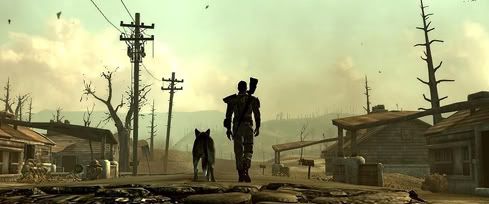
- “Já Não é Cedo Demais?” é a jornalista de jogos Leigh Alexander a comparar imagens de Wall Street pós-9/11 e imagens de Crysis 2, o qual decorrerá em Nova Iorque enquanto oferece um nível de destruição sem precedentes. “Cevat Yerli, da Crytek, falou de uma sensação de ligação a, e um desejo de defender, a cidade de Nova Iorque como uma das forças emocionais que movem o mundo de Crysis 2, mas o 9/11 nunca veio a lume. Absolutamente ninguém fez essa associação enquanto olhavam para imagens da cidade coberta em cinza à deriva?” Aparentemente não. Parece-me uma perspectiva interessante na paisagem social e dos videojogos: o frenesim logo após as Torres Gémeas viu um número inacreditável de protestos sempre que imagens que lembrassem as pessoas dos ataques terroristas surgissem… Bem, em qualquer lado. Mas quase 9 anos depois ninguém parece condenar imagens semelhantes ou, pelo menos, imagens de videojogos que sejam semelhantes aos eventos desse dia. Curioso porque, como a própria Leigh também relembra, não foi há muito tempo que arte conceptual de Fallout 3 foi confundida com propaganda terrorista. Já é seguro para os videojogos saírem de baixo desta sombra em particular?
Comments Off The Week in Pixels #24
If {working for Smash! magazine robs me of time to post The Week in Pixels}, then {say working for Smash! magazine robs me of time to post The Week in Pixels}.
- “No Longer Too Soon?” is games journo Leigh Alexander comparing images of Wall Street post-9/11 and images of Crysis 2, set to take place in New York City while allowing for an unprecedent level of destruction. “Crytek’s Cevat Yerli spoke of an international sense of attachment to, and desire to defend, the city of New York as one of the emotional forces driving Crysis 2′s world, but 9-11 never came up. Nobody at all made that association when looking at screenshots of the city covered in drifting ash?” Apparently not. This is an interesting take on the social and gaming landscape: the post-Twin Tower frenzy saw an unbelievable amount of public outcry whenever images that would remind people of the terrorist attack were found… Well, anywhere. Yet, almost 9 years later no one seems to be condemning similar imagery anymore or at least, videogame imagery that’s strikingly similar with the event itself. Curious because, as Leigh also points out, it wasn’t too long ago that Fallout 3 concept art was mistaken for terrorist propaganda. Is it safe again for videogames to come out under that particular shadow?